

How Algae, Mold, and Mildew Spread in Coastal Neighborhoods
Living near the coast has its perks. The breeze, the views, and the weather stay fairly mild most of the year.
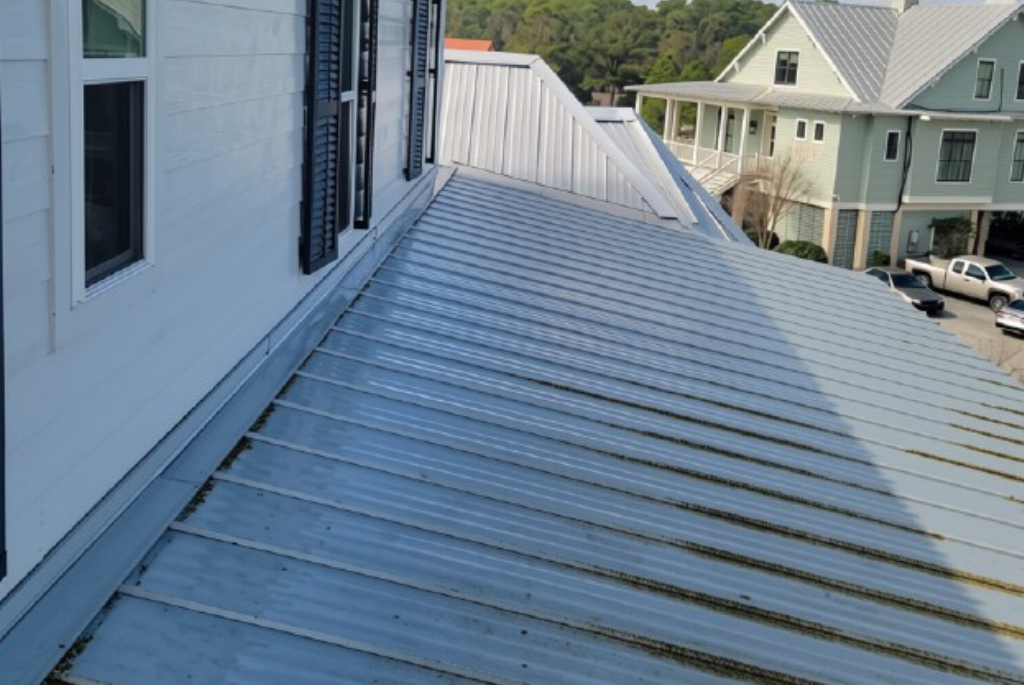
Over time, the exterior of the home begins to show signs of environmental buildup. Siding picks up a green tint. Roofs develop dark streaks. Driveways start looking uneven even after they were cleaned not long ago. The buildup develops gradually and is often overlooked in the early stages.
Homes near the coast develop and spread algae, mold, and mildew faster because constant moisture, salt in the air, and wind keep moving spores from one surface to another.
Why Coastal Homes Are More Vulnerable
The environment does most of the work:
- Humidity stays high, so surfaces don’t dry out fully
- Salt from the air settles on exterior surfaces and holds moisture in place
- Wind carries spores constantly, even on clear days
In inland areas, surfaces usually dry out within a few hours of sun exposure. Near the coast, that doesn’t always happen. Even on a dry day, there is often just enough moisture hanging around for growth to take hold.
How the Spread Begins
Growth typically begins in small areas.
- Spores land on siding, roofing, decks, and concrete
- They sit there until the moisture sticks around long enough
- Once that happens, growth begins
As it grows, it starts releasing more spores into the air, which then settle on nearby surfaces and repeat the same cycle. Algae often show up as green or dark streaks, while mold and mildew tend to settle into shaded or damp areas.
This often results in visible buildup across multiple areas at the same time.
In coastal areas, wind makes this even more noticeable, since spores can move easily from one part of a home to another and even between nearby homes.
The Damage Most Homeowners Overlook
It often gets left alone early on because it doesn’t look like a serious problem.
- Moisture stays trapped against surfaces longer than it should
- Wood can start to soften or weaken over time
- Roofing materials wear down faster than expected
Inside the home can be affected too. Spores can make their way in through windows, doors, or vents, especially if the buildup outside is heavy.
Then there’s the overall look. Even a well-kept home can start to feel worn down when the exterior is covered in streaks or discoloration.
Why Basic Cleaning Falls Short
The first instinct is usually to wash everything down with high pressure.
- It can strip paint or damage siding and shingles
- Water can get pushed into small gaps where it sits longer
- It removes what you see, but not always what’s underneath
That’s why the same spots tend to come back. It looks better for a while, then the staining shows up again in the same areas.
A closer look at how moisture contributes to mold growth helps explain why these areas don’t stay clean for long.
A More Effective Approach
A more effective approach focuses on treating the growth itself rather than simply rinsing the surface.
Using lower pressure helps protect siding, roofing, and paint, which is a key part of any proper coastal house washing approach, while the right cleaning solutions break down algae, mold, and mildew at the source so they don’t return as quickly. Because of that, the results tend to last longer and look more consistent over time.
For surfaces like concrete, pressure can still be used where it makes sense, but it should be handled carefully rather than applying the same method across every part of the home.
What You Should Do Moving Forward
Living near the coast means this is something that has to be dealt with from time to time, so it’s usually handled earlier rather than waiting until it becomes more noticeable.
Keeping an eye out for early signs like light staining or small patches makes a difference because those areas are much easier to handle before they spread further. Avoiding excessive pressure is important, as it can lead to damage or push moisture deeper into surfaces.
Over time, the best approach is to treat exterior cleaning as part of regular upkeep so the home stays in good shape without needing major fixes later.
Final Takeaway
Around coastal homes, this type of buildup is common but manageable with the right approach.
Because spores move easily in coastal air, this kind of buildup rarely stays in one place for long, which is why handling it early makes such a noticeable difference.