

Post-Storm Exterior Inspections Every Homeowner Should Do
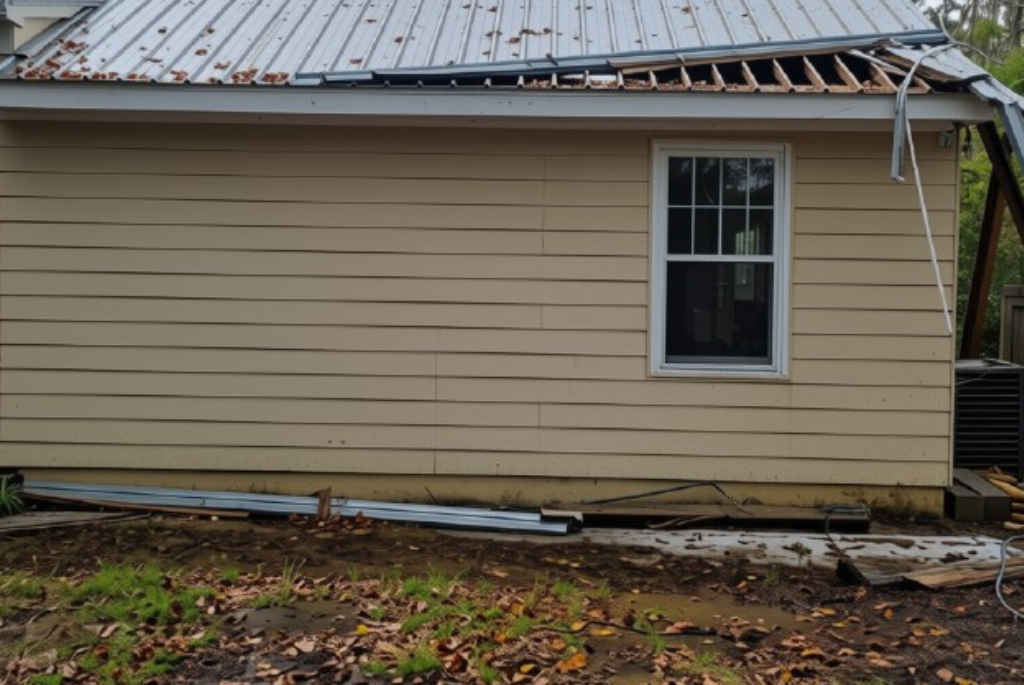
Storms move on quickly, but what they leave behind can linger far longer than expected.
The visible damage is easy to spot, but the smaller changes tend to show up more gradually. Surfaces stay damp for longer than usual, dirt collects in new areas, and discoloration starts to happen where it was not there before.
A post-storm inspection helps you catch these early changes before they spread. Start by checking the roof, siding, gutters, and ground surfaces for visible damage, moisture retention, and recurring buildup.
1. Start with The Roof: The First Line of Defense
Your roof takes the most direct impact during a storm, so it is the first place worth checking.
Look for:
- Missing or lifted shingles
- Debris collected in valleys or along edges
- Dark streaks or uneven patches
- Areas where water may be sitting
Even small openings can allow water to work its way underneath the surface. Over time, that moisture can affect insulation and ceilings inside the home.
If you notice streaking or buildup, it often points to algae or trapped moisture. A soft washing method is typically the safer way to clean these areas.
2. Inspect Siding & Exterior Walls for Hidden Contamination
Exterior walls tend to hold moisture longer after heavy rain, especially on shaded sides of the house.
Here are a few signs to watch:
- Green or dark streaks
- Uneven color or patchy areas
- Dirt lines that were not visible before
- Small cracks or loose panels
These changes usually develop in spots where water lingers. Over time, that buildup can wear down the surface.
3. Walk Around Driveways and Hard Surfaces
Rainwater often shifts dirt and organic material instead of removing it completely.
Pay attention to:
- Slippery areas caused by algae or moss
- Oil stains that have become more visible
- Sand loss between pavers
- Cracks or worn sections
These surfaces tend to show changes quickly after a storm. Areas that feel slick underfoot are usually the first sign that buildup has settled in.
A thorough pressure wash can help restore both grip and appearance.
4. Inspect Gutters and Drainage Systems
Gutters and downspouts control how water moves around the house.
Check for:
- Blockages in gutters or downspouts
- Water marks along the siding
- Pooling near the foundation
- Sections that have shifted out of place
When water is not directed away properly, it often collects in the same areas. Over time, that repeated exposure can affect the ground and the structure nearby.
For a closer look at how drainage issues can lead to bigger problems, see how poor drainage can affect your home’s foundation.
5. Look at Decks, Fences, and Outdoor Structures
Outdoor structures usually show early signs of wear after a storm.
Focus on:
- Mold or mildew on wood surfaces
- Boards that appear warped or raised
- Fasteners that have loosened
- Areas that remain damp or feel slick
These sections are exposed for long periods, so changes tend to appear quickly. Regular cleaning and upkeep help maintain their condition over time.
6. Look for Early Signs of Long-Term Damage
Some areas dry out and return to normal within a day or two. Others continue to look the same after each storm.
Be alert to:
- Damp spots that stay longer than the surrounding areas
- A musty smell near the same section of the wall
- Streaks or buildup that reappear after cleaning
- Surfaces that never seem to fully dry
When the same pattern shows up repeatedly, it often points to a moisture issue in that specific area.
Final Thoughts
After a storm, it is easy to focus only on what stands out right away.
A slower walk around the property usually reveals more. Small shifts in color, texture, and moisture tend to appear first, well before anything breaks or fails.
Catching those early keeps maintenance straightforward and helps avoid larger repairs later.