

A Seasonal Exterior Maintenance Checklist for Coastal Homes
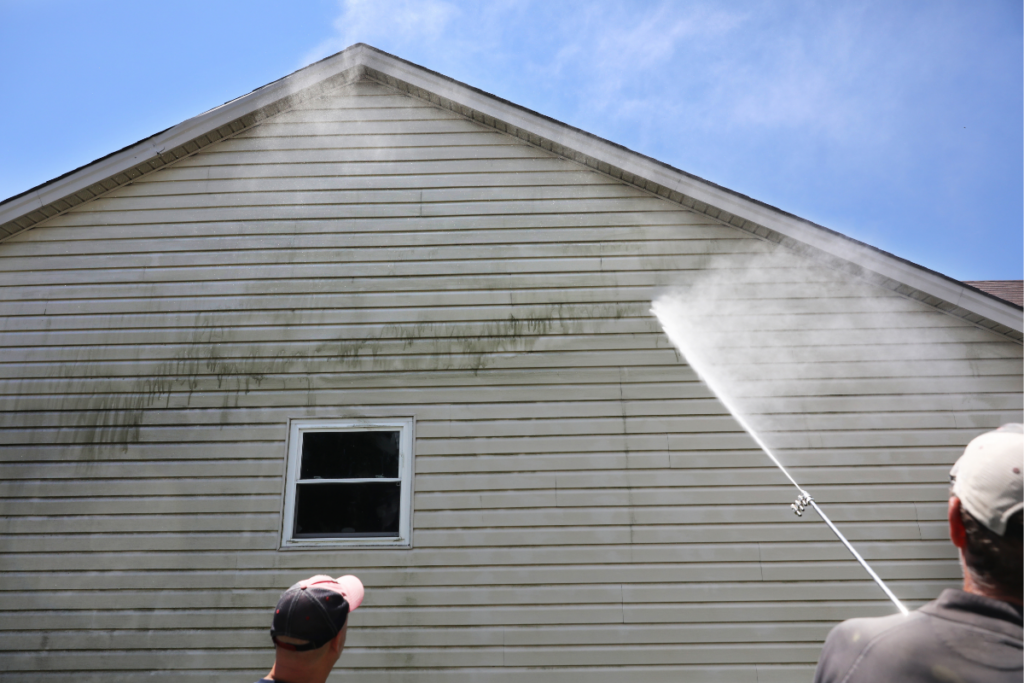
Living on the Mississippi Gulf Coast means your home deals with conditions most inland properties never face. Salt air settles on siding and roofing. Strong sun wears down finishes faster than expected. Constant humidity creates ideal conditions for mold and algae to grow.
That combination makes exterior maintenance less about appearances and more about protection. At Coastal House Washing, we focus specifically on coastal homes because we see how quickly these elements can shorten the life of exterior surfaces when they are ignored.
This checklist breaks exterior care down by season so small issues are caught early, before they turn into repairs that cost far more to fix.
A seasonal exterior maintenance checklist for coastal homes helps protect siding, roofs, and concrete by addressing salt buildup, sun damage, and moisture-related growth at the right time throughout the year.
Why Seasonal Maintenance Matters on the Coast
Coastal damage rarely happens all at once. It builds quietly.
Salt holds moisture against surfaces. Sun weakens paint, vinyl, and sealants. Humidity feeds organic growth that spreads before most homeowners notice it. When exterior care only happens after stains become obvious, the buildup has already settled in deeper.
A seasonal approach keeps maintenance manageable and helps protect surfaces long-term instead of reacting after damage is done.
Spring: Remove What Winter Leaves Behind
Even mild coastal winters leave moisture behind. Shaded areas stay damp longer, and organic growth often starts forming without being obvious at first.
In spring, look closely for:
- Green or dark buildup on siding
- Black streaks that are beginning to form on the roof shingles
- Mildew around trim and shaded walls
- Driveways or walkways holding stains longer than usual
Spring works as a reset point. Clearing buildup early keeps it from spreading aggressively once temperatures rise.
If stains reappear quickly after rain, it usually means the surface needs more than a quick rinse. Deeper cleaning is often required at that stage.
Summer: Limit Sun and Heat Wear
Summer heat accelerates exterior wear. UV exposure dries out materials and weakens protective coatings, which makes surfaces more vulnerable to staining and growth.
Common summer warning signs include:
- Fading or chalky residue on siding
- Peeling or cracking paint
- Surfaces that still look dull after cleaning
Light, well-timed exterior washing during summer helps slow this breakdown without stressing materials that are already under heat pressure.
Fall: Control Moisture Before It Lingers
Fall is one of the most overlooked seasons for exterior maintenance, even though it plays a major role in preventing long-term moisture issues.
Leaves, debris, and reduced airflow allow moisture to sit longer on surfaces. That creates the conditions where mold and algae take hold.
Pay attention to:
- Gutters showing stains or signs of clogging
- Growth along roof edges and overhangs
- Mold starting near siding seams
- Pool decks or patios are staying damp longer than expected
Cleaning in the fall helps prevent buildup from settling in during cooler months, when moisture dries more slowly, and damage becomes harder to reverse.
Winter: Monitor and Address Early
Exterior damage does not stop during winter. It simply becomes easier to ignore.
During winter months, watch for:
- Roof streaks are becoming darker or more visible
- Mildew growth in shaded areas
- Concrete surfaces that never fully dry
Addressing visible buildup early keeps it from sitting against surfaces for months at a time.
Common Problem Areas Homeowners Miss
Even well-maintained homes tend to have spots where growth starts first:
- North-facing siding
- Rooflines and fascia
- Side yards with limited airflow
- Enclosed patios and pool decks
These areas often become the source of spreading growth if they are not cleaned properly.
Why DIY Exterior Cleaning Has Limits
Basic rinsing can help with surface dirt, but coastal buildup goes deeper than that.
High-pressure equipment often causes more problems than it solves:
- Forcing water behind siding
- Stripping paint or protective coatings
- Spreading spores instead of removing them
This is why soft washing plays such an important role in coastal exterior maintenance. It treats buildup at the source while protecting the surfaces underneath.
You can learn more about how mold and moisture affect exterior surfaces from the CDC’s overview of mold growth and moisture control.
How Often Should Coastal Homes Be Washed?
For most coastal homes, a consistent schedule works best:
- Once per year as a minimum
- Twice per year for homes near open water or heavy shade
If stains return quickly, it usually means contaminants are embedded rather than the cleaning being ineffective.
A Smarter Way to Protect Your Home Year-Round
Seasonal exterior maintenance works best when it follows how coastal weather behaves. Salt air, sun exposure, and humidity never really take a break, and neither should your maintenance plan.
We clean exterior surfaces using soft washing, where materials need care, and professional power washing, where concrete and hardscape require deeper cleaning. Our experience with Mississippi Gulf Coast homes helps us deliver results that hold up beyond the initial clean.
If you want a dependable, local solution to protect your home throughout the year, Coastal House Washing is here to help.