

Posts Tagged: Soft Washing
What Salt Buildup Does to Concrete, Brick, and Stone Surfaces
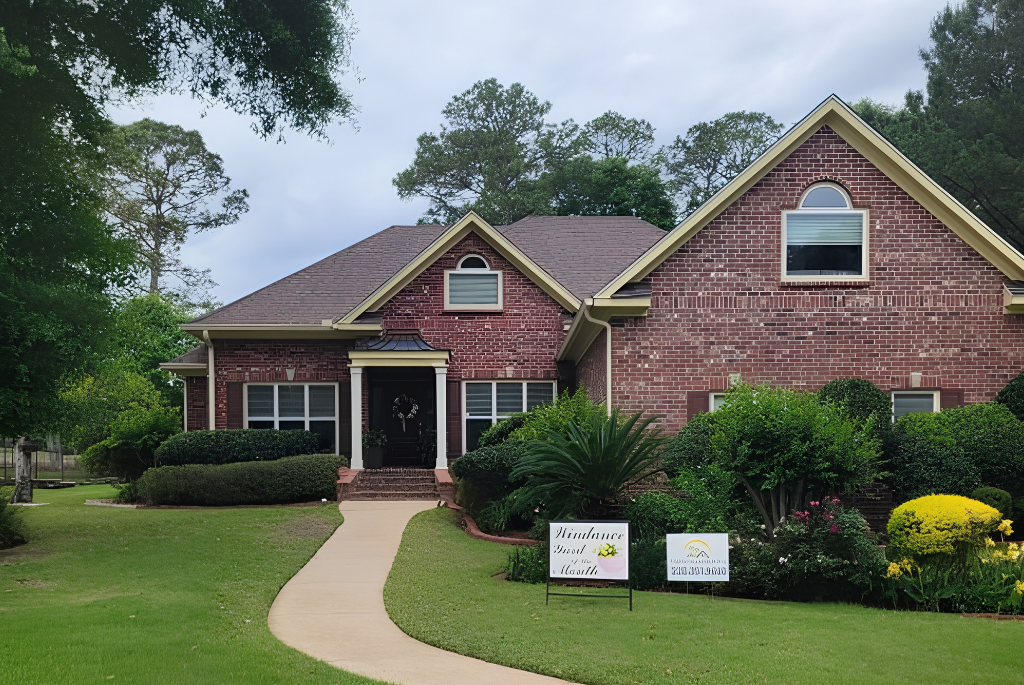
Salt buildup, commonly called efflorescence, forms when water carries dissolved mineral salts through concrete, brick, and stone. As it evaporates, the salts remain on the surface as a white, powdery deposit. The deposits themselves are cosmetic, but they indicate that water is moving through the material. Along the Mississippi Gulf Coast, humidity, rainfall, and salt…
Read MoreWhy Black Streaks on Your Roof Shouldn’t Be Ignored
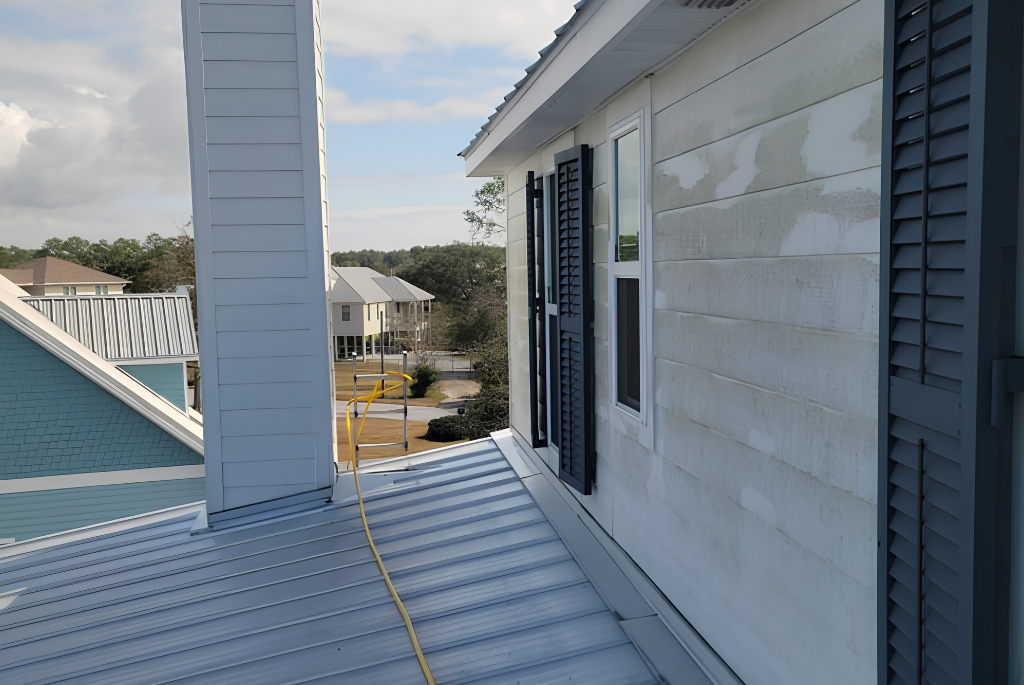
Black streaks on a roof should not be ignored because they indicate active algae growth that can retain moisture, support additional organic buildup, and contribute to the deterioration of roofing materials. Along the Mississippi Gulf Coast, warm temperatures, humidity, and frequent rainfall create conditions that allow roof algae to thrive and spread. Black Streaks Are…
Read MoreHow Often Should Different Exterior Surfaces Be Cleaned?
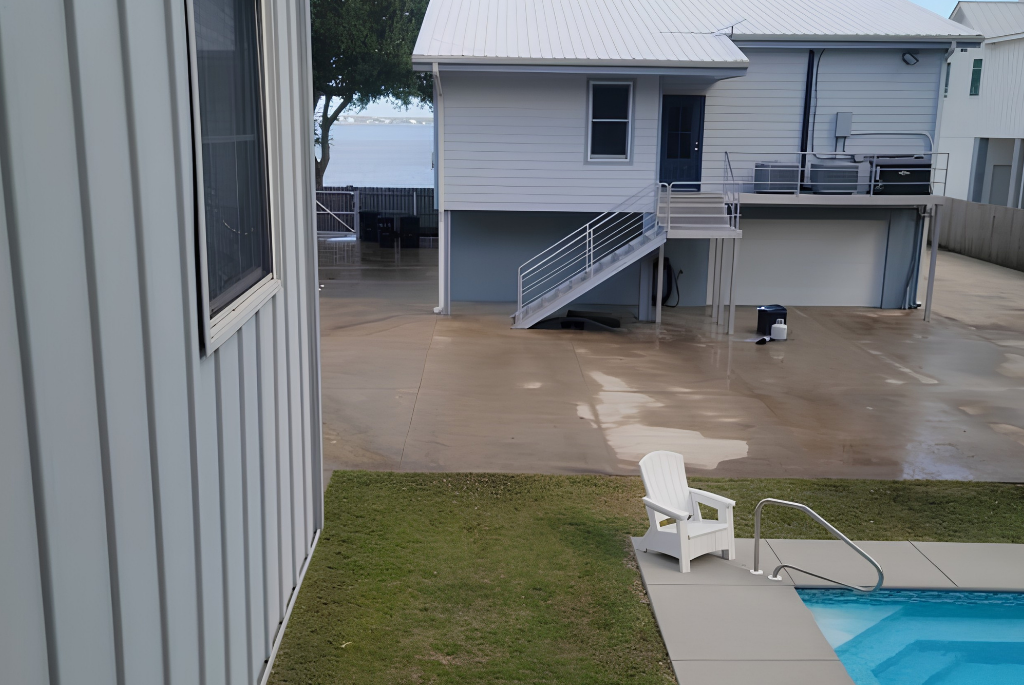
Gulf Coast exterior surfaces are exposed to persistent moisture, airborne salt, pollen, algae, and mildew throughout the year. These conditions accelerate surface contamination, increase maintenance requirements, and contribute to material deterioration over time. Most Gulf Coast properties require exterior cleaning every 1 to 3 years, with siding, roofs, and concrete surfaces requiring the shortest cleaning…
Read MoreCurb Appeal vs. Structural Protection: The Real Value of Exterior Cleaning
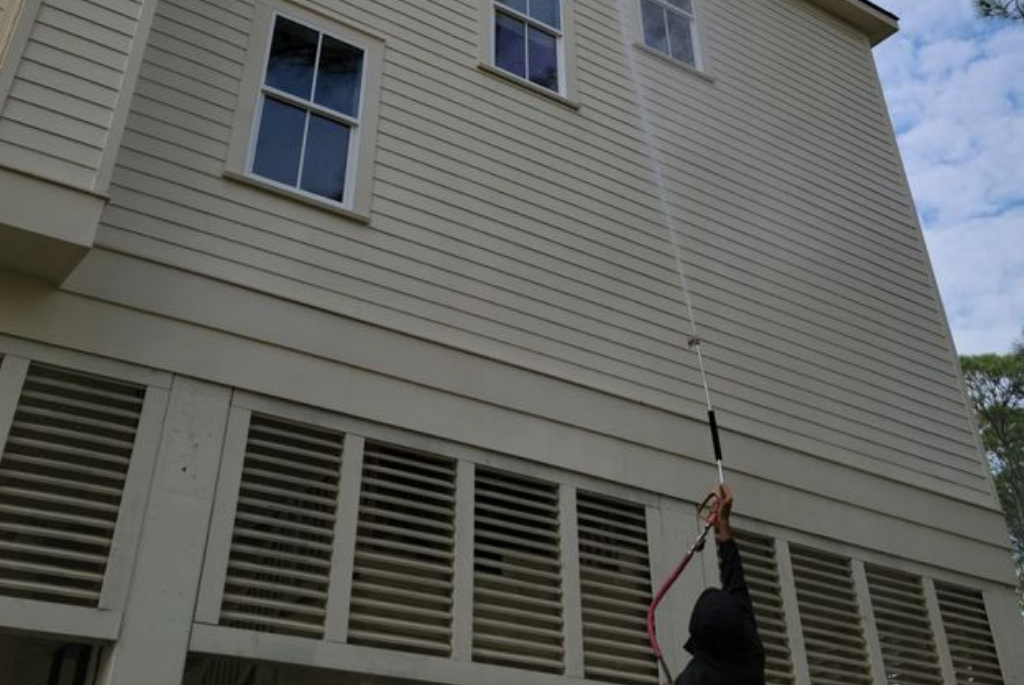
Coastal properties collect roof runoff, algae staining, salt residue, mildew, and drainage discoloration throughout the year. Exterior buildup usually appears first around rooflines, gutters, siding joints, shaded concrete, and entry areas with limited airflow. Exterior cleaning improves curb appeal while removing organic residue and surface buildup that shorten the lifespan of exterior materials. Exterior Appearance…
Read MoreThe Hidden Risks of DIY Exterior Cleaning
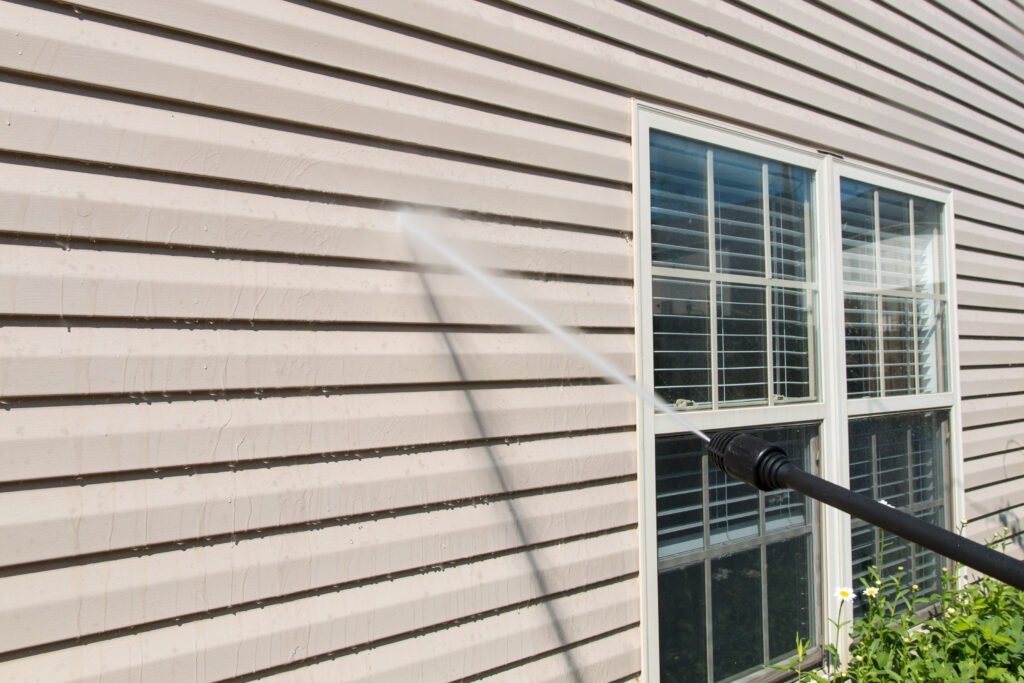
Exterior cleaning is often treated as a routine home maintenance task. Many homeowners rent pressure washers to remove dirt, algae, and stains from siding, driveways, and patios. The equipment is widely available at hardware stores, which makes the process feel manageable as a weekend project. However, exterior surfaces respond differently to pressure and cleaning solutions.…
Read MoreBefore You Paint: Why Exterior Cleaning Comes First
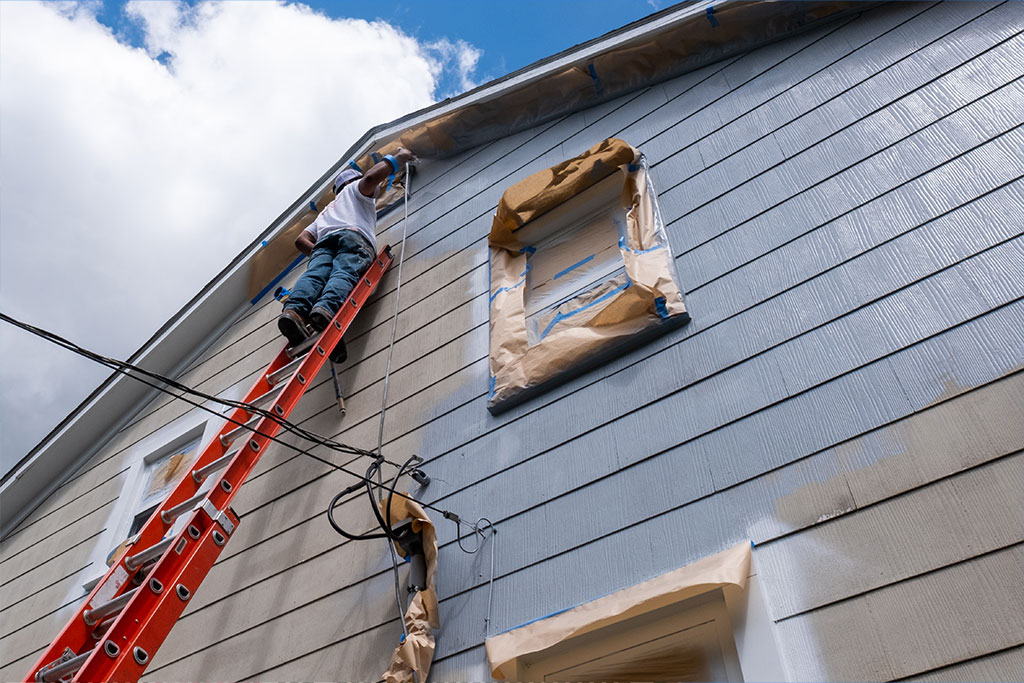
Painting the exterior of a home can significantly refresh its appearance. Colors appear brighter, siding looks refreshed, and the entire property gains new curb appeal. Preparing the exterior surface is an important step before the first brush or sprayer is used. Cleaning a home’s exterior before painting removes dirt, algae, pollen, pollution, and other environmental…
Read MoreSalt Air & Sun Exposure: How Coastal Weather Damages Home Exteriors
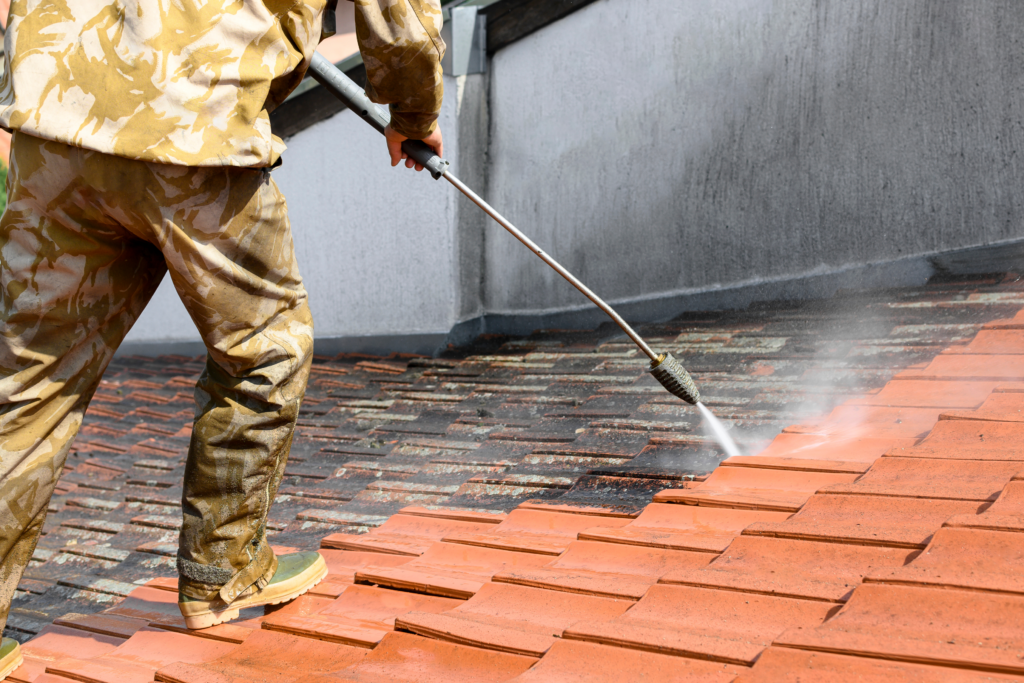
Homes along the Mississippi Gulf Coast deal with challenges that inland properties rarely face. Salt stays suspended in the air. The sun is shining intensely year-round. Moisture never fully goes away. Over time, those conditions take a visible toll, often showing up on siding, roofs, and concrete much sooner than homeowners expect. Salt air and…
Read MoreA Seasonal Exterior Maintenance Checklist for Coastal Homes
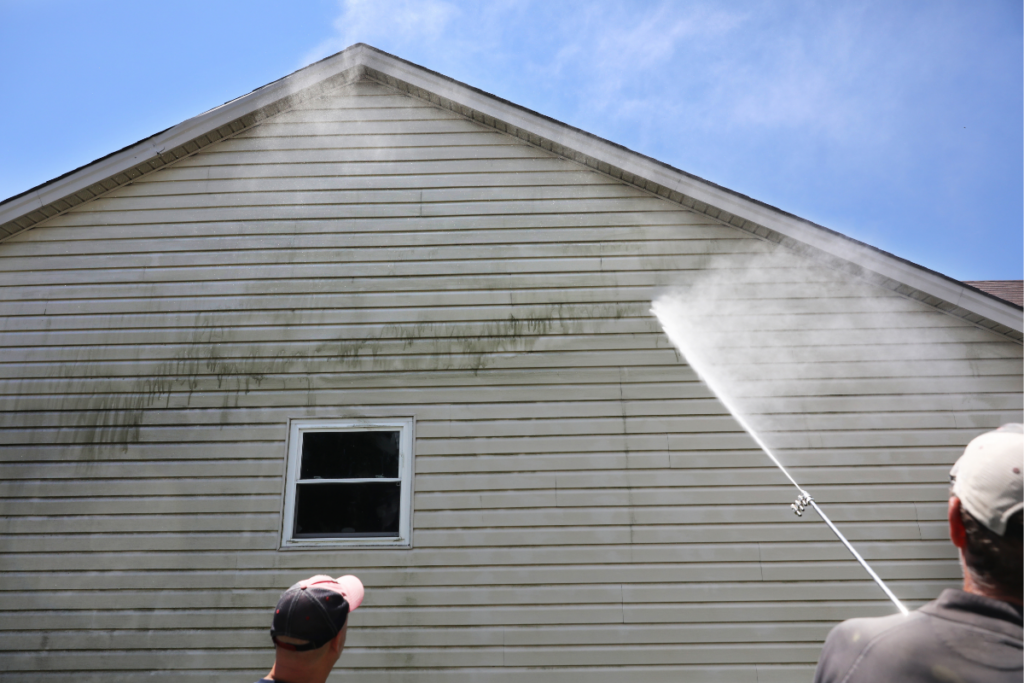
Living on the Mississippi Gulf Coast means your home deals with conditions most inland properties never face. Salt air settles on siding and roofing. Strong sun wears down finishes faster than expected. Constant humidity creates ideal conditions for mold and algae to grow. That combination makes exterior maintenance less about appearances and more about protection.…
Read More