The Hidden Risks of DIY Exterior Cleaning
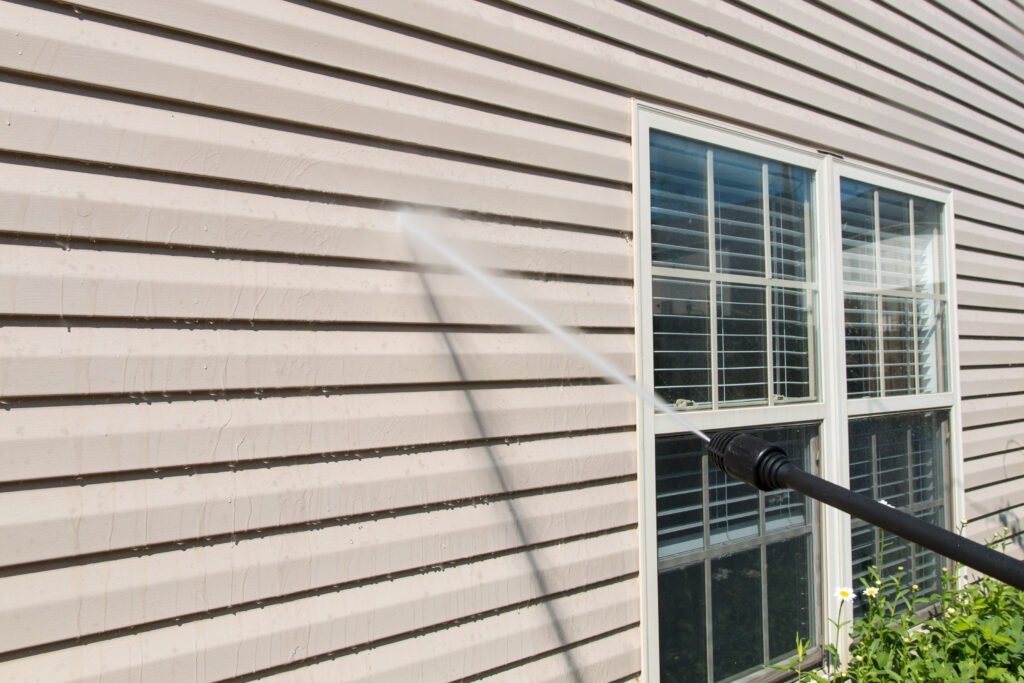
Exterior cleaning is often treated as a routine home maintenance task. Many homeowners rent pressure washers to remove dirt, algae, and stains from siding, driveways, and patios. The equipment is widely available at hardware stores, which makes the process feel manageable as a weekend project.
However, exterior surfaces respond differently to pressure and cleaning solutions. DIY exterior cleaning can damage siding, roofing materials, landscaping, and painted surfaces when improper water intensity, equipment, or chemicals are used.
Different exterior materials require specific cleaning methods, water levels, and solutions to prevent damage.
Too Much Pressure Can Damage Exterior Surfaces
Pressure washers remove dirt and buildup quickly. When the water level is too high, however, the spray can damage exterior materials instead of cleaning them.
Surfaces such as vinyl siding, painted wood, and stucco are more sensitive than they appear.
Common problems caused by excessive pressure include:
- Cracked or loosened siding panels
- Paint removed from exterior surfaces
- Damage to roof shingles or trim
- Water pushed behind the siding or window frames
- Visible streaks or etched surface marks
Water that becomes trapped behind siding can remain hidden for long periods of time. Over time, moisture buildup may contribute to mold growth or structural deterioration.
Some Surfaces Require a Gentler Cleaning Method
Pressure washing works well for durable materials like concrete, but other areas of the home require a lower-pressure approach.
Roof shingles are a good example. Asphalt shingles contain protective granules that help shield the roof from sunlight and weather. High pressure can remove those granules and shorten the lifespan of the roof.
Professional cleaning companies often use a method known as soft washing when cleaning delicate surfaces. Soft washing combines low pressure with specialized cleaning solutions to remove algae and organic buildup safely. Resources from This Old House explain how different exterior surfaces require different cleaning techniques.
Cleaning Solutions Also Matter
The cleaning solution used during exterior washing can affect the results just as much as the pressure level.
Some household cleaners are not strong enough to remove algae or mildew. Others are too harsh and may cause discoloration on siding or damage nearby plants.
Improper cleaning products can lead to issues such as:
- Fading or discoloration on siding
- Streaks or residue left after rinsing
- Damage to the surrounding landscaping
- Incomplete removal of algae or mildew
Professional cleaners select solutions that match the surface being cleaned and the type of buildup present.
Safety Is Another Important Consideration
Exterior cleaning often requires ladders, hoses, and equipment used on wet surfaces. These conditions increase the risk of accidents during the cleaning process.
Common safety concerns during DIY exterior cleaning include:
- Slipping on wet driveways or walkways
- Losing balance while reaching upper-siding areas
- Falls while cleaning roofs or high walls
Because of these risks, many homeowners choose professional house washing services for larger exterior cleaning projects.
Proper Cleaning Protects Your Home
Regular exterior cleaning helps maintain the condition of siding, roofing materials, and outdoor surfaces. Removing algae, dirt, and environmental buildup helps prevent staining and long-term damage.
Using the proper cleaning method protects the materials that make up your home and helps keep the property looking well-maintained over time.