

Before You Paint: Why Exterior Cleaning Comes First
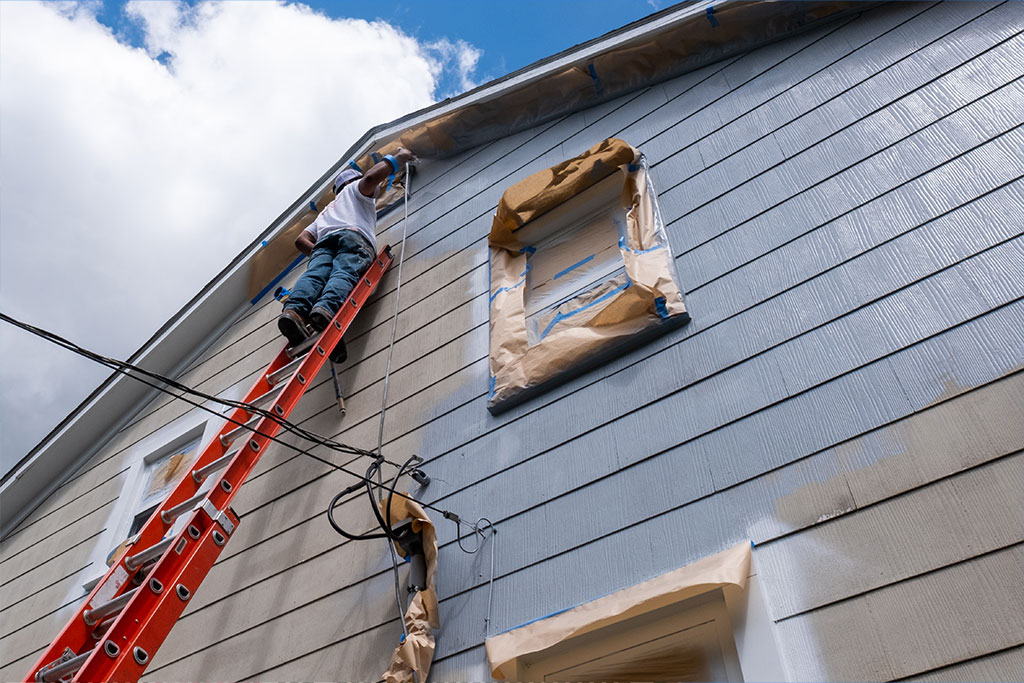
Painting the exterior of a home can significantly refresh its appearance. Colors appear brighter, siding looks refreshed, and the entire property gains new curb appeal. Preparing the exterior surface is an important step before the first brush or sprayer is used.
Cleaning a home’s exterior before painting removes dirt, algae, pollen, pollution, and other environmental residue that accumulate on siding over time. These contaminants create a barrier that prevents paint from bonding properly with the surface underneath.
Dirt and organic buildup create a thin barrier between paint and the surface underneath. Professional exterior cleaning clears the surface and prepares it for a fresh coat of paint.
Paint Adheres Better to a Clean Surface
Paint performs best when it is applied to a properly cleaned surface. Dirt, residue, and organic buildup reduce that contact.
Professional cleaning removes these contaminants and prepares siding, brick, and stucco for painting. With a clean surface, the paint layer spreads more evenly and maintains its color longer.
Common Issues Caused by Surface Contaminants
Residue and organic buildup can interfere with the way paint performs on exterior surfaces. Some of the most common results include:
- Peeling paint caused by weak adhesion
- Uneven finishes where residue blocks the paint from spreading evenly
- Fading that occurs when contaminants remain beneath the paint layer
- Bubbling or blistering related to trapped moisture or organic growth
Preparing the surface before painting helps the new finish perform consistently across the entire exterior.
Mold, Mildew, and Algae Require Proper Treatment
Some contaminants develop slowly and may be difficult to notice at first. Mold, mildew, and algae often appear in shaded areas where moisture remains on the siding.
These organisms can continue spreading across exterior materials over time. Removing them before painting prepares the surface and creates a cleaner foundation for the new coating.
The U.S. Environmental Protection Agency recommends addressing mold and moisture issues on building materials before applying new coatings.
Cleaning Helps Reveal Small Repairs
Exterior cleaning provides a clearer view of the home’s condition. Dirt and discoloration often conceal small areas of damage.
After the surface has been washed, it becomes easier to identify:
- Small cracks in siding or stucco
- Areas where previous paint has worn down
- Minor weather-related damage
Addressing these repairs before painting helps create a stronger and more durable final finish.
The Right Cleaning Method Matters
Exterior materials respond best to cleaning methods that match their durability. Professional services adjust the approach depending on the surface.
Two common methods include:
- Soft washing
This method uses low-pressure water combined with cleaning solutions to remove algae, mold, and surface residue. It works well for siding, roofs, and other delicate exterior materials. - Pressure washing
Higher water pressure helps remove buildup from durable surfaces such as concrete driveways, patios, and walkways.
Choosing the correct method allows professionals to clean surfaces thoroughly while protecting the materials that make up the home’s exterior.
Homeowners planning a repaint often begin with professional house washing services to prepare the surface before painting.
Preparation Supports Long-Lasting Paint Results
Painting a home represents a meaningful investment, and preparation influences how well the finish performs over time.
A clean exterior surface allows paint to spread evenly and bond securely. The finished result typically looks smoother, maintains consistent color, and continues protecting the home through changing weather conditions.
Start With the Surface
Before planning a repaint, focus on the condition of the exterior. A properly prepared exterior supports a smoother finish and helps the new paint maintain its appearance over time.
Once the surface has been properly cleaned, painting produces a more uniform finish that holds its appearance over time.